
how message delivery works in whatsapp api provider?
In today’s fast-paced digital world, businesses rely heavily on instant communication. One of the most effective tools for real-time communication is WhatsApp. With over two billion active users worldwide, WhatsApp has become a go-to platform not just for personal messaging, but also for business interactions.
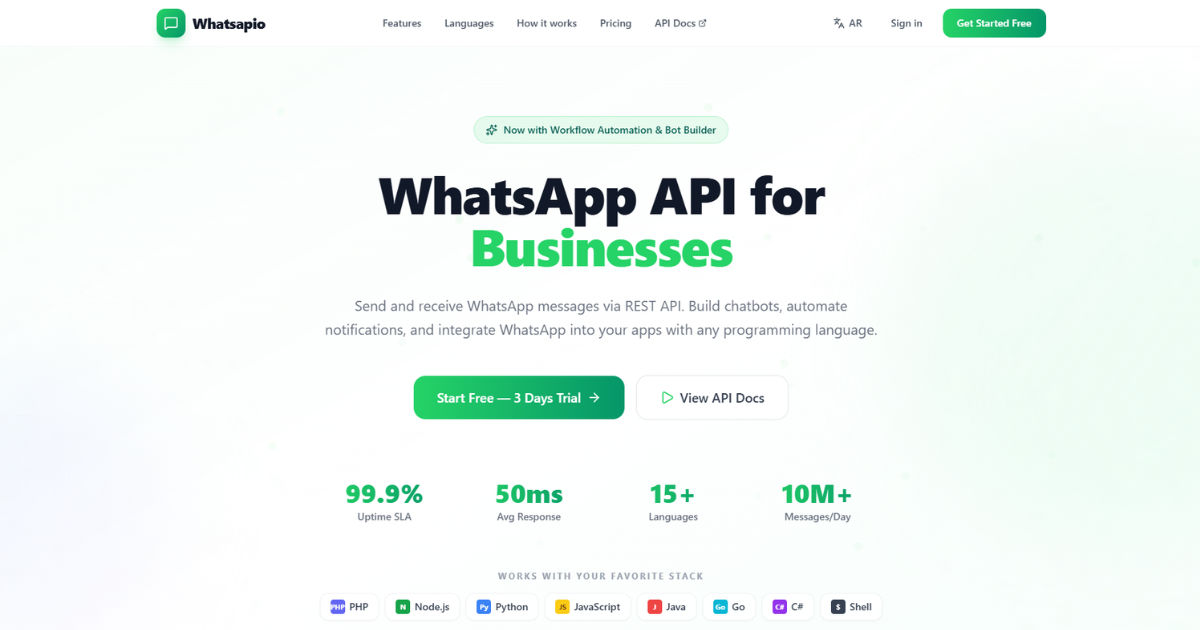 This is where a whatsapp api provider comes into play. A whatsapp api provider allows businesses to send automated messages, notifications, alerts, and customer service responses seamlessly.
But have you ever wondered how the message delivery process actually works in a whatsapp api provider? In this guide, we will break it down step by step, making it simple and easy to understand.
Understanding WhatsApp API
Before diving into message delivery, it’s important to understand what a WhatsApp API is. API stands for Application Programming Interface, which is a tool that allows two applications to communicate with each other. In this case, the WhatsApp Business API allows businesses to connect their systems directly to WhatsApp. Unlike the standard WhatsApp app, the API is designed for high-volume messaging and automation.
Businesses can use a whatsapp api provider to integrate WhatsApp messaging into their CRM systems, websites, or other applications. This enables features like sending notifications, order confirmations, OTPs (One-Time Passwords), and customer support messages automatically.
The Role of a WhatsApp API Provider
A whatsapp api provider acts as a bridge between WhatsApp’s official servers and your business system. Not every business can connect directly to WhatsApp’s API due to strict guidelines and technical requirements. Providers make this easier by managing the technical infrastructure, compliance, and message routing.
Key responsibilities of a whatsapp api provider include:
- Handling the registration and approval of your business with WhatsApp.
- Ensuring secure message delivery using end-to-end encryption.
- Managing message templates for automated messaging.
- Monitoring delivery status and providing analytics.
With the help of a whatsapp api provider, businesses can scale communication without worrying about the technical complexities.
Message Flow in WhatsApp API
Message delivery in WhatsApp API follows a structured flow. Understanding this flow is essential to grasp how messages reach users efficiently. Let’s break it down into stages.
1. Message Creation
The first step is creating the message. Businesses can send two types of messages:
- Template Messages – Pre-approved messages sent to users who have not initiated a conversation in the last 24 hours. Examples include order updates, payment reminders, or appointment confirmations.
- Session Messages – Messages sent within a 24-hour window after a user has messaged the business. These are often used for real-time support or queries.
A whatsapp api provider ensures that messages are formatted correctly, and if required, templates are approved by WhatsApp.
2. API Request
Once the message is ready, the business system sends an API request to the whatsapp api provider. This request contains:
- Recipient’s phone number
- Message content (text, image, document, or video)
- Message type (template or session)
- Optional metadata like buttons, links, or media attachments
The whatsapp api provider receives this request and begins processing it for delivery.
3. Message Validation
The whatsapp api provider validates the message for several factors:
- Phone number format correctness
- Template approval if it’s a pre-approved message
- Message size limitations (especially for media)
- Content compliance with WhatsApp’s policies
Only after passing validation does the message proceed further in the delivery pipeline.
4. Routing to WhatsApp Servers
After validation, the message is routed to WhatsApp’s official servers. This is a crucial step because WhatsApp’s servers are responsible for actual delivery to the recipient’s device.
The whatsapp api provider ensures secure transmission using HTTPS and encryption protocols. This guarantees that message content cannot be intercepted or altered during transit.
5. Message Queuing
At times, messages are queued in WhatsApp’s server, especially during high traffic or if the recipient’s device is temporarily unavailable. Queuing ensures:
- Reliable delivery even if the recipient is offline
- Preservation of message order
- Efficient resource management on the server side
The whatsapp api provider monitors these queues and provides feedback to the business system.
6. Message Delivery
Once the recipient’s device is reachable, WhatsApp delivers the message. The delivery process uses internet connectivity (mobile data or Wi-Fi) and is supported by WhatsApp’s end-to-end encryption, which ensures privacy.
7. Status Updates
WhatsApp API provides detailed status updates for each message. Common delivery statuses include:
- Sent – The message successfully reached WhatsApp servers.
- Delivered – The message reached the recipient’s device.
- Read – The recipient opened the message (if read receipts are enabled).
- Failed – Message could not be delivered due to invalid number, network issues, or other errors.
A whatsapp api provider tracks these statuses and sends them back to the business system via webhooks or API responses.
Message Types and Their Delivery Nuances
WhatsApp supports multiple message types, each with its unique delivery considerations:
1. Text Messages
Text messages are the simplest type. They are delivered almost instantly if the recipient is online. A whatsapp api provider ensures proper encoding for special characters, emojis, or multi-language text.
2. Media Messages
Media messages include images, videos, audio files, and documents. The delivery of these messages depends on file size and format restrictions. Large files might take longer to deliver, and the whatsapp api provider often compresses or optimizes files for faster transmission.
3. Interactive Messages
WhatsApp supports interactive messages like buttons, lists, and product catalogs. These messages require structured formatting and approval. The whatsapp api provider manages these templates and ensures they render correctly on the recipient’s device.
Factors Affecting Message Delivery
While WhatsApp API is highly reliable, several factors can influence delivery:
- Recipient’s Network Connectivity – Messages may be delayed if the recipient has poor internet connection.
- Device Compatibility – Some older devices may not fully support media or interactive messages.
- WhatsApp Policies – Violation of WhatsApp’s messaging guidelines can result in delivery failure.
- Business Verification – Unverified accounts may face limitations on message sending.
- Message Queue Overload – High-volume campaigns can temporarily delay delivery if not managed properly.
A reputable whatsapp api provider mitigates these issues by ensuring proper account setup, monitoring queues, and following WhatsApp guidelines.
Webhooks and Real-Time Updates
One of the most powerful features of WhatsApp API is webhooks. Webhooks are automated notifications sent from WhatsApp to your business system whenever a message status changes. For example, when a message is delivered or read, the webhook sends an update to your system in real-time.
This allows businesses to:
- Track message performance
- Trigger automated responses
- Update CRM systems instantly
A whatsapp api provider typically sets up these webhooks, making real-time tracking seamless.
Security and Compliance in WhatsApp API
Message delivery is not just about speed; security is equally important. WhatsApp ensures end-to-end encryption, meaning only the sender and recipient can read the message content. Even the whatsapp api provider cannot access the message content during transit.
Compliance with data privacy laws is also critical. Businesses must ensure they:
- Obtain user consent before messaging
- Respect opt-out requests
- Avoid spamming users with unwanted messages
A professional whatsapp api provider helps businesses adhere to these rules and avoid penalties.
Benefits of Using a WhatsApp API Provider
Using a whatsapp api provider offers multiple advantages:
- Scalability – Send thousands of messages without manual intervention.
- Automation – Automate notifications, customer support, and alerts.
- Analytics – Track message status, delivery rates, and engagement.
- Security – Benefit from WhatsApp’s encryption and provider-level compliance.
- Integration – Easily connect with CRM, ERP, or marketing platforms.
These benefits make WhatsApp a powerful channel for businesses to engage with customers efficiently.
Best Practices for Reliable Message Delivery
To ensure messages reach recipients effectively, businesses should follow best practices:
- Use Verified Numbers – Always register your business with WhatsApp for official messaging.
- Optimize Message Timing – Avoid sending messages at odd hours to increase engagement.
- Keep Templates Simple – Simple, clear messages are more likely to be delivered and read.
- Monitor Status – Track delivery and read statuses via webhooks.
- Avoid Spam – Stick to relevant and timely messages to prevent account suspension.
A reliable whatsapp api provider can guide businesses in implementing these best practices.
Common Challenges and How to Solve Them
Even with a whatsapp api provider, businesses may face challenges:
1. Message Not Delivered
- Check recipient’s number format
- Ensure the recipient is using WhatsApp
- Verify internet connectivity
2. Message Delays
- Avoid sending bulk messages at peak times
- Monitor server queues via the provider dashboard
3. Template Rejections
- Ensure templates comply with WhatsApp guidelines
- Include proper placeholders for dynamic content
Conclusion
Understanding how message delivery works in a whatsapp api provider is crucial for businesses aiming to leverage WhatsApp for communication. The process involves multiple stages: message creation, API request, validation, routing, queuing, delivery, and status tracking. Each step is designed to ensure fast, secure, and reliable communication.
By using a whatsapp api provider, businesses gain the ability to automate messaging, track engagement, and maintain compliance with WhatsApp policies. With proper implementation, WhatsApp becomes more than just a messaging app—it transforms into a powerful business communication tool.
In summary, message delivery in WhatsApp API is a sophisticated but manageable process. With the right provider, businesses can ensure their messages are delivered efficiently, securely, and at scale. Whether you are sending transactional updates, customer support messages, or marketing notifications, understanding the delivery flow empowers you to make the most out of WhatsApp for your business.