
World Cup 2026 Standings How Venue Conditions Affect Results
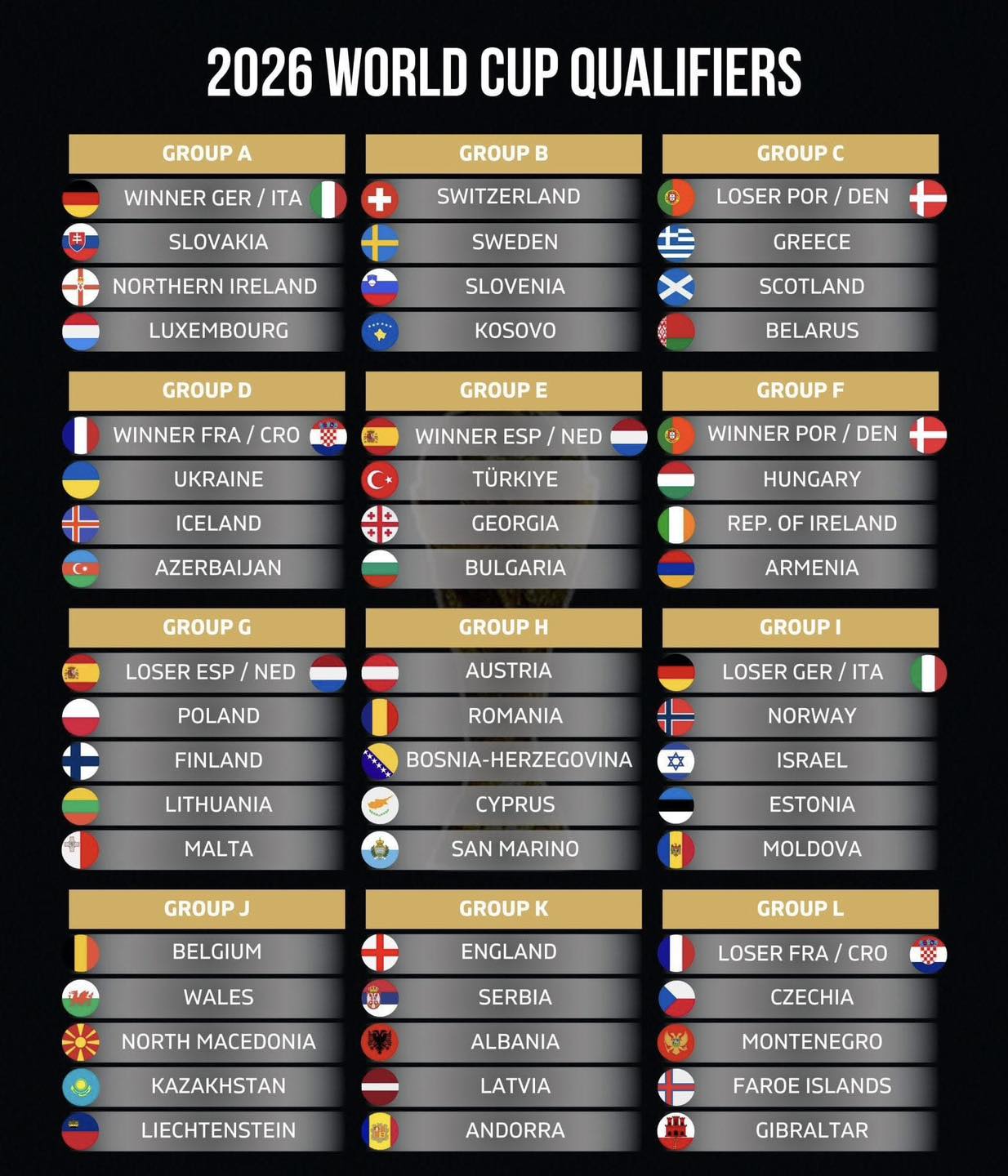
The 2026 World Cup features venues with dramatically different conditions that affect match results and therefore group standings. Altitude at Estadio Azteca and Empower Field at Mile High creates physiological challenges. Summer heat in Miami and Dallas affects endurance. The WorldCupPass standings tracker reflect results played under these variable conditions.
Azteca’s altitude of 7,350 feet is the most extreme venue condition in the tournament. Teams from sea-level nations visiting Mexico City for group matches face reduced oxygen availability that affects athletic performance, particularly cardiovascular endurance in the second half.
How High-Altitude Venues Affect Group Standings
Teams playing at Azteca have an implicit home advantage beyond just the crowd. Altitude-adapted teams — particularly Mexico, which trains at altitude domestically — perform relatively better compared to their FIFA ranking when the match takes place at Azteca. This altitude effect shows in group standings as an additional factor beyond raw squad quality.
Empower Field at Mile High in Denver sits at exactly 5,280 feet. This altitude is significant but less extreme than Azteca. Teams visiting Denver from sea-level nations may feel mild altitude effects in their opening minutes but typically adapt better to this elevation than to Azteca’s more extreme conditions.
Heat and Humidity Venues
Hard Rock Stadium in Miami and AT&T Stadium in Dallas (which has climate control) represent different heat challenges. Miami matches scheduled in the afternoon create high-humidity conditions that demand exceptional fitness. Teams from cooler European and South American climates may find the Miami heat an additional challenge that affects their energy and therefore results.
How to Use the Standings Page Throughout the Tournament
The standings page at WorldCupPass updates in real time during and after matches. Check it after every group-stage result to see how each group’s table has shifted. The page displays all 12 groups on one screen so you can compare advancement races across the tournament simultaneously. Color coding shows which positions are currently safe for advancement and which are in the qualification zone.
Following the standings page daily through the group stage builds a thorough picture of tournament momentum. Teams that are accumulating points efficiently and building positive goal difference are in the strongest position for the Round of 32. Teams that are scraping through on draws and narrow margins are potentially vulnerable to tiebreaker outcomes on the final matchday. The standings page gives you the data to make those assessments in real time.
The standings page reflects results played under all these conditions without adjustment. A win at Azteca and a win in Seattle count identically in the points table, despite the dramatically different physical demands of those two venues.