
Comparing Used BMW B58 Engine for Sale: How to Choose the Right One
If you are comparing a used BMW B58 engine for sale, choose it by exact engine code, vehicle compatibility, donor mileage, condition, testing, included parts, and warranty not price alone. The B58 is a family of engines with different versions, so a listing described simply as “B58 3.0L” may not be the correct replacement for your BMW. Verify your VIN and original engine code first, then compare documented condition and total installation cost.
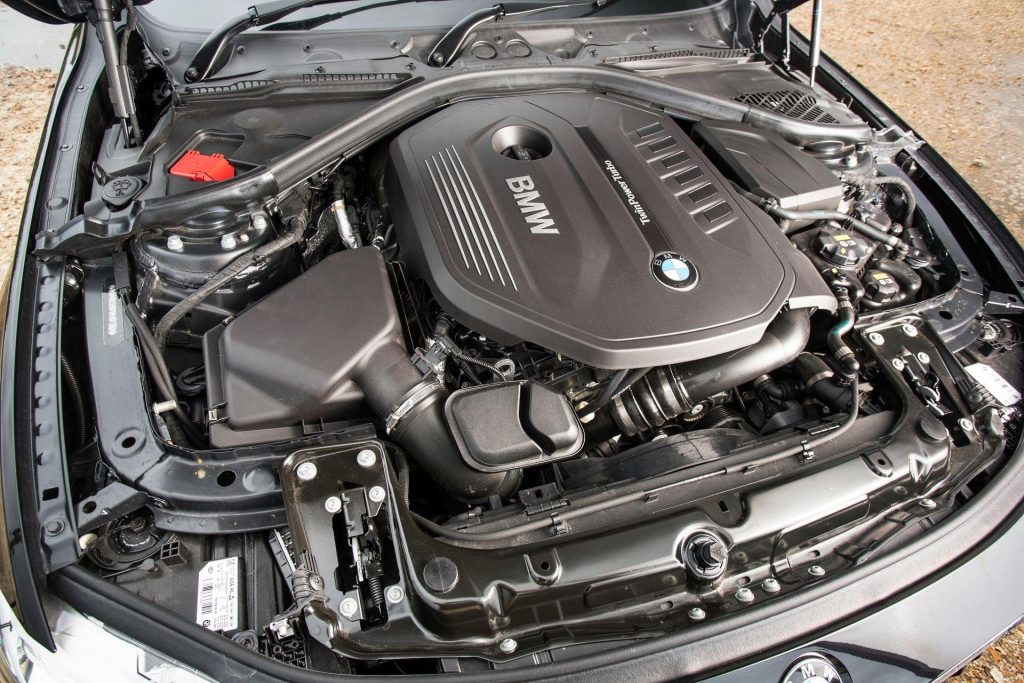
Why You Need to Compare B58 Engines Carefully
The B58 is BMW’s 3.0-liter turbocharged inline-six family. BMW introduced it in the 340i, and later versions appeared across several models. BMW documentation identifies variants including B58B30M0, B58B30M1, B58B30O1, and newer B58B30M2 applications with 48V mild-hybrid technology.
“B58” is only the starting point. Model year, engine code, drivetrain, electronics, emissions equipment, and supporting components can affect fitment.
Start With Compatibility, Not Price
First, identify exactly what your BMW needs:
- VIN and production date
- Original engine code
- BMW model and chassis
- xDrive or rear-wheel-drive configuration
- Transmission and drivetrain requirements
- Emissions-market requirements
- Whether you need a complete engine or long block
BMW’s technical material shows that B58 versions can have different specifications and equipment.
Ask for the exact engine code and donor information. Do not assume fitment because a listing says “B58.”
5 Factors to Compare
1. Exact Engine Code and Donor Vehicle
The engine code is more useful than a generic description. Ask for the code, donor model, model year, and available VIN information.
An earlier 340i B58 should not automatically be treated as interchangeable with a newer M440i version. BMW has continued developing the family, including 48V applications.
2. Mileage and History
Mileage matters, but it does not tell the entire story. A documented higher-mileage engine may be easier to assess than a low-mileage engine with no history.
Ask:
- What was the donor vehicle mileage?
- Was the engine running when removed?
- Why was the vehicle dismantled?
- Was the engine involved in a collision?
- Is maintenance history available?
- Was it tuned or modified?
3. Testing and Physical Condition
Good listings provide more than clean photographs. Look for inspection or test information.
| Check | What it helps assess |
| Compression test | Cylinder sealing and consistency |
| Leak-down test | Potential internal sealing issues |
| Oil inspection | Contamination or abnormal wear |
| Cooling-system check | Leaks or damage |
| Turbo inspection | Damage, oil concerns, or shaft play |
| Diagnostic scan | Stored fault information |
| Visual inspection | Cracks, leaks, damaged connectors |
No single test proves an engine is perfect. Multiple checks and clear documentation provide a stronger basis for comparison.
The B58 uses Valvetronic, Double VANOS, direct injection, and turbocharging, so supporting components should also be checked.
4. Complete Engine vs. Long Block
Two engines with similar prices can include different parts.
A complete assembly may include external components, while a long block may require transfer of the turbo, intake, wiring, or sensors. Contents vary.
Ask for an itemized parts list. A cheaper engine can cost more after missing components, seals, fluids, labor, and diagnostic work are added.
5. Warranty and Return Policy
Before purchasing a used BMW B58 engine for sale, read the warranty and return terms.
Check:
- Warranty length
- Parts covered
- Labor coverage, if any
- Return period
- Core-charge rules
- Shipping-damage procedure
- Installation requirements
- Conditions that void coverage
Get these terms in writing; “tested” is not the same as a written warranty.
Is a Used B58 a Suitable Replacement?
A used B58 can be a practical replacement when the engine is correctly matched to the vehicle and its condition is supported by inspection, documentation, and reasonable warranty protection. However, the B58 family is not one identical specification. BMW documentation confirms differences in engine codes, powertrain equipment, and model applications.
For a replacement, compatibility should come before appearance or mileage alone.
Are all BMW B58 engines interchangeable?
No. B58 variants can differ by model, year, engine code, electronics, emissions equipment, and supporting systems.
What mileage is acceptable for a used B58?
There is no universal mileage cutoff. History, maintenance, testing, and condition should be considered together.
Should I buy a complete B58 or long block?
Choose based on which components you already have. Compare the included parts and total installation cost.
How do I verify a used B58 engine?
Check the engine code, donor details, mileage, photos, test results, and warranty documentation.
Does the B58 need to match the transmission?
The engine and vehicle powertrain must be compatible. Confirm drivetrain and transmission requirements before ordering.
What should a B58 warranty cover?
Review coverage length, exclusions, installation requirements, return rules, and the parts covered.
FAQs
How much does a used BMW B58 engine cost?
Pricing varies with engine version, mileage, completeness, condition, availability, and warranty. Compare total installed cost instead of listing price alone.
Can I install any B58 in my BMW?
Not necessarily. Verify the exact engine code, chassis, model year, drivetrain, electronics, and emissions requirements.
Should I inspect a used B58 before installation?
Yes. A professional inspection can identify leaks, damage, abnormal wear, or missing components.
What documents should come with a used B58?
Ask for donor details, mileage, engine identification, test results when available, an included-parts list, and warranty or return terms.
Is a tested B58 safer to buy?
Testing provides useful evidence, but does not guarantee future performance. Ask what was tested and request results.
Can a used B58 reduce repair costs?
It can, depending on compatibility, condition, parts, labor, shipping, and warranty.
Final Takeaway
When comparing a used BMW B58 engine for sale, look beyond price and mileage. Start with the exact engine code and vehicle compatibility, then compare donor history, testing, physical condition, included components, warranty, return terms, and total installed cost. A side-by-side review can help avoid an engine that looks right but does not match your BMW or lacks essential components.