
Basics of Wiring Capacity Planning Guide
When it comes to designing safe, efficient, and reliable electrical systems, understanding wiring capacity planning is essential.
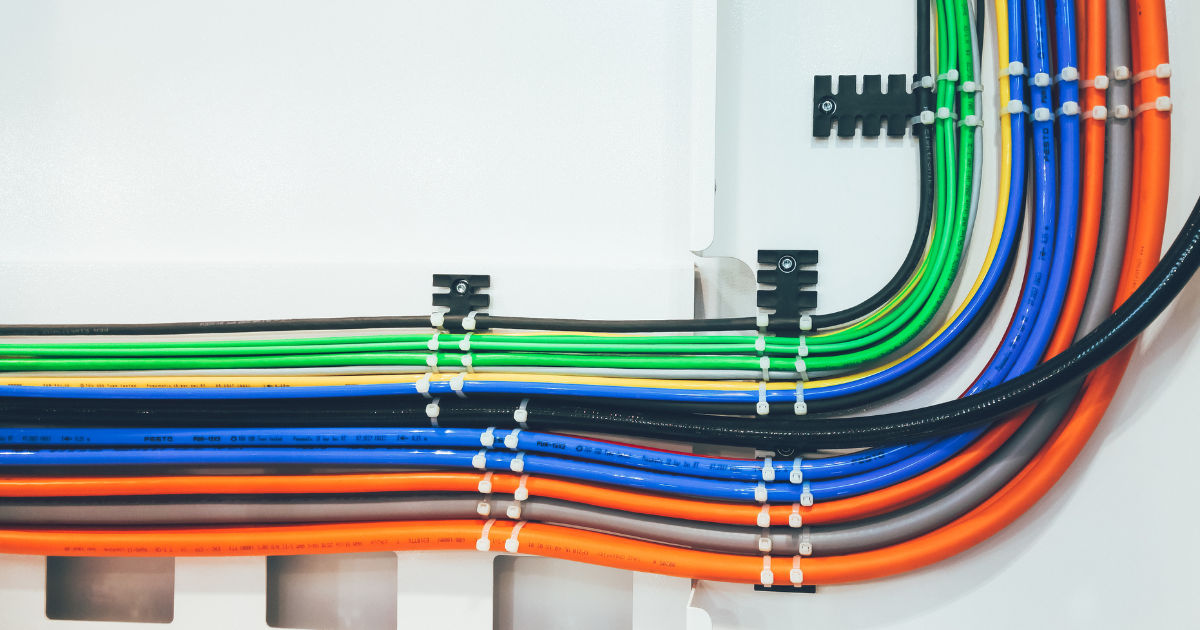 PowerLink CO has helped countless engineers, technicians, and facility managers grasp the fundamentals of electrical wiring capacity, ensuring that systems operate smoothly without risks of overloads or failures.
In this guide, we will explore the key concepts, methods, and best practices for wiring capacity planning in a way that is straightforward and easy to understand.
What is Wiring Capacity Planning?
Wiring capacity planning is the process of determining the proper size, type, and layout of electrical wiring to meet the energy demands of a system safely. It ensures that the wires, circuit breakers, and related equipment can handle the current without overheating, voltage drops, or other hazards. Proper planning reduces maintenance costs, prevents equipment damage, and ensures compliance with electrical safety standards.
Electrical wiring is not just about connecting devices; it’s about designing a network that supports current loads efficiently. For instance, a wire that is too small can overheat and pose a fire risk, while an oversized wire can be unnecessarily expensive and harder to install. PowerLink CO emphasizes that understanding both current requirements and environmental factors is crucial in this planning.
Why Wiring Capacity Planning is Important
Effective wiring capacity planning has several critical benefits:
-
Safety: Prevents electrical fires, short circuits, and equipment damage.
-
Efficiency: Ensures energy flows without unnecessary losses.
-
Reliability: Reduces downtime due to overloaded circuits or faulty wiring.
-
Cost Savings: Avoids unnecessary material costs and energy inefficiencies.
-
Compliance: Meets local and national electrical codes.
By carefully assessing wiring needs, engineers and technicians can prevent expensive repairs, legal issues, and safety hazards. PowerLink CO highlights that ignoring proper planning can result in long-term consequences that outweigh the cost of thorough design.
Key Concepts in Wiring Capacity Planning
Electrical Load Calculation
The first step in wiring capacity planning is calculating the electrical load of the system. Electrical load is the amount of power required by devices connected to a circuit. It is typically measured in watts (W) or kilowatts (kW). To calculate the load:
-
List all devices and equipment that will be powered.
-
Determine each device’s power rating.
-
Sum up the total power requirements for the circuit.
For alternating current (AC) circuits, consider voltage (V), current (A), and power factor (PF) in your calculations:
Current (A)=Power (W)Voltage (V)×Power Factor (PF)text{Current (A)} = frac{text{Power (W)}}{text{Voltage (V)} times text{Power Factor (PF)}}Current (A)=Voltage (V)×Power Factor (PF)Power (W)
Wire Sizing
Once the load is known, the next step is choosing the correct wire size. Wire sizing ensures the conductor can safely carry the intended current without overheating. Factors affecting wire size include:
-
Current Rating: The maximum current a wire can carry safely.
-
Voltage Drop: Excessive voltage drop reduces efficiency and can damage equipment.
-
Environmental Conditions: Temperature, insulation type, and conduit presence.
PowerLink CO recommends consulting standardized wire tables to select the proper gauge based on these factors. Common standards include the National Electrical Code (NEC) or IEC guidelines.
Circuit Protection
Circuit protection devices, such as circuit breakers or fuses, prevent wires from carrying more current than they are rated for. They are essential in preventing overloads and short circuits. Wiring capacity planning must always include:
-
Proper sizing of circuit breakers to match wire ampacity.
-
Coordination of protective devices to avoid nuisance trips.
Voltage Drop Considerations
Voltage drop occurs when the voltage at the end of a circuit is lower than at the source. Excessive voltage drop can cause equipment malfunction or inefficiency. To minimize voltage drop:
-
Use appropriate wire sizes.
-
Limit the length of circuits whenever possible.
-
Maintain proper connections to reduce resistance.
PowerLink CO stresses that even a 3-5% voltage drop can impact sensitive equipment, making planning critical in industrial and commercial systems.
Steps to Effective Wiring Capacity Planning
Step 1: Assess Power Requirements
Start by identifying all electrical loads, including lighting, appliances, HVAC systems, and machinery. Consider future expansion to avoid under-sizing wiring. Using a load calculation spreadsheet can simplify this process.
Step 2: Choose the Right Wire Type
Different applications require different wire types. Common wire types include:
-
Copper Wires: High conductivity, suitable for most residential and industrial applications.
-
Aluminum Wires: Lighter and less expensive but require careful handling to prevent corrosion.
-
Armored Cables: Offer mechanical protection in industrial environments.
PowerLink CO advises selecting wires with insulation ratings that match environmental conditions, such as heat, moisture, or chemical exposure.
Step 3: Determine Wire Gauge
Wire gauge is directly linked to current-carrying capacity. Use wire tables and consider factors such as:
-
Conductor material (copper or aluminum)
-
Temperature rating of insulation
-
Installation method (in conduit, free air, buried, etc.)
Step 4: Implement Circuit Protection
Select fuses, circuit breakers, or protective relays according to the wire’s ampacity. Always ensure that protective devices are slightly higher than the normal operating current but below the wire’s maximum rating.
Step 5: Verify Voltage Drop
Check voltage drop across long circuits. If it exceeds acceptable levels, increase wire size or reduce circuit length. Typical acceptable voltage drop is 3% for lighting circuits and 5% for other loads.
Step 6: Plan for Future Expansion
Electrical needs grow over time. Plan wiring systems to accommodate future devices or higher loads without requiring a complete rewire. PowerLink CO often recommends oversizing wires slightly in commercial and industrial projects to avoid costly upgrades.
Common Mistakes in Wiring Capacity Planning
Even experienced electricians and engineers can make errors. Common mistakes include:
-
Underestimating Load: Not accounting for future devices or peak usage.
-
Ignoring Environmental Conditions: Heat, moisture, and chemical exposure can affect wire capacity.
-
Oversizing Wires Excessively: Increases cost and complexity unnecessarily.
-
Incorrect Circuit Protection: Mismatched breakers and wires can cause hazards.
-
Neglecting Voltage Drop: Long circuits without proper sizing can harm equipment.
Awareness of these mistakes helps planners avoid costly errors and maintain safe electrical systems.
Tools and Resources for Planning
Load Calculation Software
Several tools help streamline wiring capacity planning:
-
Electrical Load Calculators: Simplify summing total current requirements.
-
Voltage Drop Calculators: Determine proper wire gauge for long circuits.
-
Design Software: CAD programs can model electrical layouts and simulate loads.
Reference Standards
-
National Electrical Code (NEC): Provides guidelines for wire sizing, protection, and installation.
-
International Electrotechnical Commission (IEC) Standards: Used globally for uniform electrical practices.
PowerLink CO emphasizes that adhering to these standards is crucial to prevent legal and safety issues.
Professional Consultation
For large industrial projects, consulting certified electrical engineers ensures the system is safe and efficient. Experts can account for complex factors like harmonics, reactive power, and energy efficiency.
Special Considerations in Wiring Capacity
High-Load Systems
In industrial environments, high-current equipment requires careful planning. Transformers, motors, and heavy machinery can draw significant power, requiring:
-
Larger conductor sizes
-
Advanced protective relays
-
Specialized voltage drop analysis
Renewable Energy Integration
As renewable energy sources like solar and wind become popular, wiring capacity planning must account for variable power generation. Systems must handle fluctuating currents safely.
Data Centers and IT Infrastructure
Modern IT systems demand consistent power quality. Voltage drops or insufficient wiring can lead to server failures, data loss, or downtime. Specialized planning ensures:
-
Redundant power paths
-
Scalable wiring infrastructure
-
Proper grounding and surge protection
Best Practices for Wiring Capacity Planning
-
Document Everything: Keep accurate schematics, load calculations, and wire tables.
-
Use Standardized Components: Simplifies maintenance and ensures reliability.
-
Plan for Maintenance Access: Avoid difficult-to-reach wires.
-
Review Periodically: Reassess capacity as loads change over time.
-
Train Staff: Ensure technicians understand planning principles.
PowerLink CO consistently highlights that proper documentation and adherence to standards prevent costly errors and enhance safety.
Conclusion
Wiring capacity planning is a critical aspect of electrical system design that ensures safety, efficiency, and reliability. From load calculations to wire sizing, circuit protection, and voltage drop considerations, each step plays a vital role in building systems that last. By following structured planning methods, consulting standards, and accounting for future expansion, individuals and organizations can avoid hazards, save costs, and maintain uninterrupted power.
Whether for residential, commercial, or industrial applications, the principles of wiring capacity planning are universal. PowerLink CO has proven that applying these principles meticulously can make the difference between a safe, efficient system and a problematic, risky one. By learning the basics and adhering to best practices, anyone can design electrical systems that stand the test of time.
Understanding wiring capacity is not just about compliance; it’s about creating systems that deliver reliable power safely. From selecting the right wire type to implementing correct circuit protection, every detail matters. Proper planning today prevents failures tomorrow and ensures a sustainable, efficient electrical infrastructure.