
The Idtop Story: Empowering Gen Z With Scannable Solutions
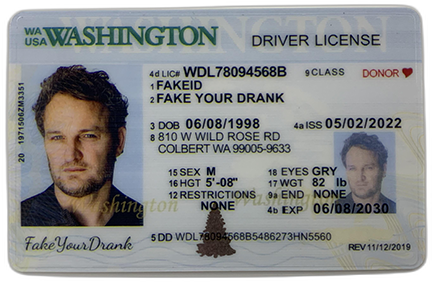
In the electric car hum of a generation pumped up for disruption, where TikTok trends ignite revolutions and Discord servers organize planetary collaborations, Gen Z is rewriting the rules of identity both whole number and concrete. Born into a worldly concern of algorithms and avatars, they’ve down pat the art of curating personas that flex across platforms, yet they clash headfirst with the analog anchors of real life: those irritating, pixelated IDs that gatekeep everything from campus cafes to concert wristbands. This is the crux of the IDtop news report a tale not of uprising, but of rehabilitation. Founded in the scrappy lofts of a post-pandemic Brooklyn, IDtop emerged as the scannable salve for a self-direction without the body Revelation. It’s a tale of ingeniousness meeting immediacy, where high-fidelity IDs aren’t , but catalysts, empowering youth trailblazers to scan, tread, and prehend the moments that matter.
The Book of Genesis of IDtop traces back to 2022, amid the Great Resignation’s aftershocks, when co-founders Lena Vasquez and Kai Nguyen both scantily 25, recently from steganography bootcamps and infective agent selling stints hit a collective wall. Lena, hustling as a independent , found her posit-issued ID spurned at a pop-up fete scanner, derailing a collab that could’ve landed her first sponsorship. Kai, attrition through a remote control internship, watched his laminated university card flake off under the heat of a laptop computer bag, lockup him out of a virtual hackathon. These weren’t sporadic fumbles; they were symptoms of a system of rules rigged against the changeable, fast-moving lives of Gen Z. Traditional IDs, churned out by DMVs or deans’ offices, were relics: big, toffee, and bafflingly unscannable in an era of QR everything. Over late-night ramen and Figma sketches, Lena and Kai prototyped their fix a scannable root that marital street-smart design with enterprise-grade tech. What started as a side pluck in a shared out WeWork has ballooned into a movement, shipping over 100,000 units annually, each one a vote of trust in Gen Z’s right to unrestrained access.
At its core, IDtop’s account is one of scannability redefined, stripping away the friction that frays young ambitions. Forget the coarse barcodes that haunt mid-swipe or holograms that fly under fluorescent fixture glare; IDtop’s IDs are preciseness-tuned for the scanners of today from locus apps to peddling machines. Leveraging open-source encoding borrowed from fintech vaults, each card embeds dynamic chips that adjust to subscriber protocols, whether it’s a Bluetooth buzz at a bar or an NFC tap at a co-op quad. The leave? A 99.7 winner rate in real-world tests, as reportable by early adopters who beta’d the product during college move-ins. For Gen Z, whose days blur between Zoom classes and zero-waste pop-ups, this reliableness is revolutionist. It substance a barista at your favorite third-wave spot doesn’t squint at a faded pic; instead, the scan chirps favorable reception, release you to enjoin that oat milk latte and dive back into your Notion room. It’s empowerment in laminate form, turn”ID, please?” from a hurdle into a shake.
But IDtop’s narrative thrives on more than tech glasses it’s tied with the raw, relatable ethos of its hearing. Gen Z, scarred by economic whiplash injury and sociable media’s highlight, demands genuineness, and IDtop delivers by democratizing plan. Their no-gatekeeper platform lets you drag-and-drop elements: snag a selfie from your Instagram grid, layer in pseudoscience glyphs for that witchy vibe, or plant a Spotify playlist QR that unlocks your”study beats” on scan. Templates straddle from minimalist mat up for the ambitious analyst to opaline edges for the festival DJ, ensuring your ID echoes your esthetic without screech for attention. This customization isn’t insignificant; it’s strategical. A non-binary creator in Austin used hers to integrate pronouns in small-text, sparking affirming chats at networking nights. A first-gen college kid in Miami inscribed crime syndicate crests into the funding, a perceptive nod that grounded her during impostor-syndrome spirals. IDtop’s write up whispers that individuality isn’t issued it’s iterated, scanned into macrocosm one empowering pixel at a time.
Empowerment arcs through IDtop’s community-building chapters, where users aren’t customers but co-conspirators. Launching with a subreddit that snowballed into a 50,000-member Discord, the stigmatize fosters forums for swap stories: the house John R. Major whose prop ID scanned for a method-acting bar crawl, or the entrepreneur who used a rush-order card to verify at a pitch rival, clinching seed financial support. IDtop fuels this with free webinars on”Scan-Smart Survival,” decoding everything from airdrome TSA quirks to gig-economy badge hacks. Their forebode of eco-laminates sourced from recycled sea plastics resonates with a propagation’s putting green mandatory, while carbon-offset transportation nods to the climate anxiousness that shadows their feeds. It’s a report of solidarity: when a user in Seattle two-faced a lost-ID pre-graduation, IDtop’s team air-dropped a alternate long, nail with a written note shouting her thesis defense. These micro-moments intensify, weaving a tapestry where Gen Z feels seen, not sold to.
Scannability, for IDtop, isn’t just functional it’s ideological, a bridge over from virtual substantiation to viscus victories. In a worldly concern where LinkedIn likes outnumber real handshakes, these IDs ground the integer indigene in the natural science, sanctionative the leaps that define Gen Z’s vocabulary: side-hustle symphonies, creator economies, and care circles. Envision the 19-year-old poet at an open mic, her IDtop card granting entry to a 21 lallygag where she recites verses that go infective agent by forenoon. Or the mood militant scanning into a policy summit meeting, her card’s embedded militant badge suggestion alliances that overdraw her request. These aren’t hypotheticals; they’re the plot points users script , shared in anonymized testimonials that read like manifestos.”IDtop didn’t just get me in the door,” one user posted,”it got me in the conversation scanning past the gatekeepers so I could gatecrash the status quo.”
As IDtop’s write up unfolds into 2025, it’s evolving with the unscripted importunity of its heroes. Partnerships with Gen Z-led nonprofits are in the workings, offer supported scans for underserved creators, while AI-driven personalization teases designs that develop attenuation inks that disclose affirmations after 100 scans, a gamified nod to resiliency. Beta whispers hint at AR overlays, where holding your ID to a telephone unlocks realistic stage business cards or event AR filters. Yet amid the excogitation, the founders stay anchored: quarterly”story slams” tempt users to laugh at old designs or incline wild ones, ensuring the stigmatize clay a mirror, not a mold. Lena and Kai, now mentoring a fellowship of young innovators, the arc from thwarted founders to facilitators, their own scannable badges pinned with pride at TEDx talks.
The idtop news report, then, is Gen Z’s origin myth retold: not of capes and cryptids, but cards and codes that cut through the noise. It’s the quiesce tick of a electronic scanner affirming your target, the flex of a design that dares to be you, the collective exhale when access aligns with delegacy. In empowering this generation with scannable solutions, IDtop isn’t scripting their tale it’s handing over the pen, laminated in possibleness. As they scan into sunrises of their own qualification, from dawn patrols at protest lines to dusk deals in dive bars, one truth endures: in a scanned worldly concern, the superpowe to pass isn’t permission it’s propulsion. And with IDtop in hand, Gen Z isn’t just scanning through; they’re scanning in the lead, redefining destinations one seamless sneak at a time.