
Transforming Heavy Machinery Training in Mining with Virtual Reality Simulations
h1, h2 { color: #2c3e50; }
img { max-width: 100%; height: auto; margin: 20px 0; }
a { color: #2980b9; text-decoration: none; }
a:hover { text-decoration: underline; }
.content { max-width: 960px; margin: auto; background-color: #ffffff; padding: 30px; border-radius: 10px; box-shadow: 0 2px 8px rgba(0,0,0,0.1); }
In the modern mining industry, the complexity of operating heavy machinery such as excavators and loaders demands highly skilled personnel. However, training new operators on actual equipment brings a multitude of challenges — from safety hazards to high operational costs. That's where virtual reality simulations step in as a groundbreaking solution.
Why is Traditional Machinery Training Risky and Expensive?
In a real mining environment, training new hires on heavy-duty machinery poses significant risks. Trainees might make critical operational mistakes, potentially damaging multimillion-dollar equipment or putting themselves and others in harm's way. Moreover, actual training sessions incur high costs in fuel consumption and wear-and-tear on equipment, which can significantly impact a company's bottom line.
How Do Virtual Reality Simulators Work in Mining?
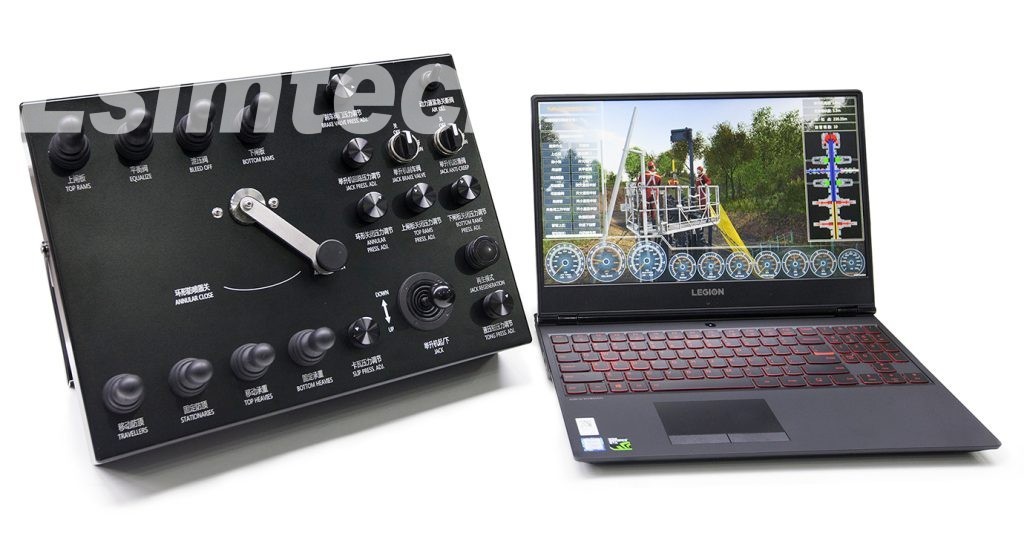
Virtual reality simulators replicate highly realistic mine sites where operators can interact with digital replicas of machinery. With a VR headset, trainees immerse themselves in a 360-degree simulation of their work environment. These simulations incorporate realistic terrain, weather conditions, and emergency scenarios, allowing operators to learn proper techniques and reactions in a fully safe and controlled setting.
What Skills Can Trainees Learn Through VR?
In a virtual environment, operators can practice everything from basic machinery start-up procedures to advanced skills such as navigating steep grades, maneuvering in tight spaces, and responding to mechanical malfunctions. These experiences prepare them for the unpredictability of real-life mining operations.
What Are the Benefits of Using Virtual Reality Simulations?
Virtual training significantly reduces risk and cost. By shifting early training phases to the virtual realm, mining companies minimize equipment downtime, eliminate fuel expenses during training, and prevent avoidable accidents. Additionally, companies report a reduction in real-world operational errors and increased trainee confidence.
How Can Companies Implement This Technology?
Implementing VR training is easier than ever thanks to solutions from innovators like eSimTech. Their virtual reality simulators are designed to be portable, adaptable, and scalable to suit different mining applications. Training modules can be customized based on company-specific machinery and safety protocols.
How Does This Impact Operator Performance?
Studies show that operators who undergo VR training complete on-the-job certifications up to 40% faster and demonstrate a 30% improvement in task efficiency during their first six months. These numbers translate into not just safer worksites but also faster project execution and increased productivity.
What’s the Future of Mining Workforce Development?
As mining operations become more digitized and automated, VR training will continue to evolve. The integration of AI-driven feedback, real-time performance tracking, and remote multi-user simulations points to a future where mining workforce development is safer, smarter, and more efficient than ever before.
Is VR Training Worth the Investment?
In short, yes. Virtual reality simulations are transforming the way heavy machinery operators are trained in the mining industry. They offer a cost-effective, risk-free solution to build skills, reinforce safety, and prepare teams for the challenges of modern mining environments. For companies looking to optimize training while enhancing safety and efficiency, investing in VR training solutions like those from eSimTech is a strategic move toward long-term success.
Explore more about VR training solutions at Virtual Reality Simulator.