
What Streetwear Aesthetics Reveal About Style?
Streetwear has evolved far beyond being just clothing; it is now a cultural movement, a statement, and a reflection of personal identity. One of the most fascinating aspects of contemporary fashion is how it communicates feelings, values, and personality without a single word.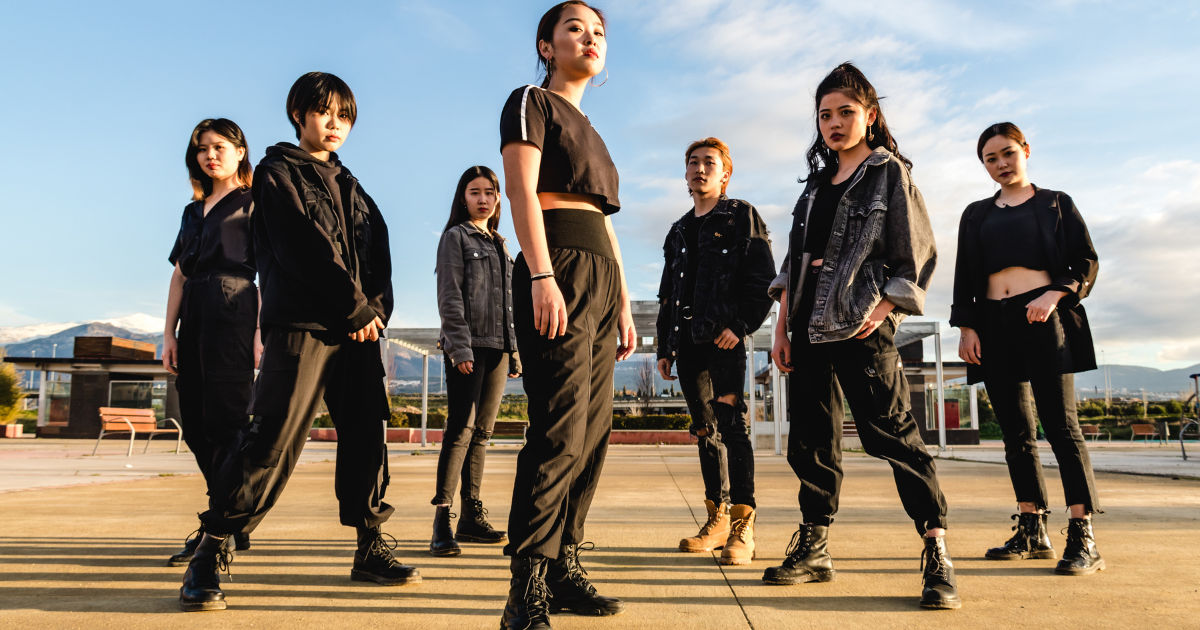
Mixed Emotion Streetwear Aesthetics is a prime example of this phenomenon. This style combines contrasting moods, colors, and textures to create unique expressions that reveal much about the wearer.
From city streets to global fashion runways, the story of streetwear aesthetics is rich, vibrant, and endlessly inspiring.
The Origins of Streetwear Culture
Streetwear originated in the late 20th century, emerging from the skateboarding and hip-hop subcultures in the United States. It was more than a clothing choice—it was a lifestyle. Brands like Supreme, Stüssy, and A Bathing Ape helped transform casual wear into a powerful cultural statement. Early streetwear communicated rebellion, creativity, and individuality.
Over time, streetwear absorbed influences from sportswear, punk, and luxury fashion, blurring the lines between casual and couture. Today, streetwear is global, embraced by celebrities, fashion enthusiasts, and everyday people alike. The aesthetics have evolved as well, incorporating elements that evoke complex emotions, creating the phenomenon now described as Mixed Emotion Streetwear Aesthetics.
Understanding Mixed Emotion Streetwear Aesthetics
At its core, Mixed Emotion Streetwear Aesthetics is about contradiction. It’s the balance between rawness and sophistication, nostalgia and futurism, simplicity and complexity. This approach reflects modern society, where individuals often experience overlapping feelings and identities.
A typical outfit in this style might combine oversized hoodies with delicate jewelry, distressed jeans with high-end sneakers, or muted colors with sudden neon accents. Each choice tells a story, signaling personal mood, cultural awareness, and creative flair.
Emotional Expression Through Clothing
Clothing is a language. Colors, fabrics, and patterns can evoke happiness, melancholy, rebellion, or serenity. Streetwear, in particular, thrives on expressing a spectrum of emotions simultaneously.
For instance, dark, muted tones paired with bold graphics or accessories can suggest confidence mixed with introspection. Torn fabrics or patchwork designs might indicate a willingness to embrace imperfection and unpredictability. This is exactly what Mixed Emotion Streetwear Aesthetics is about—communicating layered feelings through visual style.
The Role of Color
Color is crucial in streetwear. Traditional palettes often included black, gray, and white for versatility and minimalism. However, contemporary streetwear now embraces unexpected color contrasts to evoke mixed emotions.
A jacket might combine soft pastels with harsh neon trims. Sneakers may use clashing colors to grab attention while maintaining harmony with the rest of the outfit. This deliberate tension is a hallmark of Mixed Emotion Streetwear Aesthetics, revealing a wearer’s dynamic personality.
Layering and Texture
Layering is more than practical—it’s a visual storytelling tool. Combining textures like cotton, leather, denim, and mesh adds depth to an outfit. A layered look can signify complexity, emotional depth, or even a playful sense of experimentation.
In streetwear, oversized hoodies over tailored pants, or mesh tops under bomber jackets, create unexpected contrasts. This interplay of materials mirrors the emotional layering central to Mixed Emotion Streetwear Aesthetics.
Key Elements of Streetwear Aesthetics
Logos and Branding
Streetwear often incorporates recognizable logos as part of the aesthetic. However, in mixed emotion styles, branding may be deconstructed, repurposed, or placed in unconventional positions. This subversion adds attitude and communicates personal interpretation rather than blind consumerism.
Graphic Prints
Bold graphics, patches, and slogans are tools for self-expression. They can be humorous, political, nostalgic, or abstract. Mixing conflicting messages within a single outfit enhances the emotional complexity, a hallmark of Mixed Emotion Streetwear Aesthetics.
Footwear as a Statement
Sneakers are central to streetwear culture. Collectible or statement shoes can define an outfit. In mixed emotion streetwear, footwear often contrasts sharply with clothing—luxurious sneakers with distressed jeans, or bright high-tops with muted tones—creating visual tension and emotional resonance.
Accessories and Personalization
Accessories like hats, chains, and bags are critical for customizing streetwear. These details allow wearers to inject personal narratives and emotional layers into their look. Even small choices, like mismatched socks or a pin collection, contribute to Mixed Emotion Streetwear Aesthetics.
The Cultural Significance of Streetwear
Streetwear aesthetics do more than make individuals look stylish—they reflect cultural and social realities. They often signal awareness of music, art, and urban lifestyle trends. In embracing Mixed Emotion Streetwear Aesthetics, wearers communicate sophistication in understanding the complexity of modern life, blending nostalgia, rebellion, and personal identity into one visual statement.
Streetwear and Identity
In a world of social media and visual communication, fashion is a primary form of self-expression. Streetwear allows individuals to signal membership in communities while asserting uniqueness. The “mixed emotion” approach emphasizes that identity is not monolithic; it’s fluid, complex, and sometimes contradictory.
Streetwear as Commentary
Streetwear can also comment on societal issues. Graphic tees with bold slogans, distressed clothing symbolizing resistance, or upcycled pieces show consciousness about culture, politics, and sustainability. By mixing emotions in style, wearers can subtly critique norms while celebrating creativity.
Global Influence of Streetwear Aesthetics
Streetwear is no longer confined to Western urban centers. Cities like Tokyo, Seoul, Copenhagen, and London have developed unique local interpretations. Japanese streetwear, for instance, blends minimalism with bold graphics; Korean streetwear experiments with proportions and layers. The global exchange of ideas enriches Mixed Emotion Streetwear Aesthetics, making it ever more diverse and expressive.
Social Media and Fashion Trends
Platforms like Instagram, TikTok, and Pinterest accelerate streetwear trends. Influencers showcase layered, emotion-rich outfits that inspire millions. Hashtags and street style blogs create communities where aesthetics and emotion intertwine, reinforcing the cultural relevance of Mixed Emotion Streetwear Aesthetics.
Fashion Shows and Collaborations
High fashion has embraced streetwear through collaborations with brands like Louis Vuitton x Supreme. These partnerships highlight the flexibility and emotional depth of streetwear, demonstrating that Mixed Emotion Streetwear Aesthetics is recognized and celebrated worldwide.
How to Incorporate Mixed Emotion Streetwear Into Your Wardrobe
Start with Core Pieces
Begin with versatile staples: hoodies, graphic tees, distressed jeans, and statement sneakers. These basics provide a foundation for layering and mixing emotions through accessories and accents.
Experiment with Layering
Combine unexpected textures, patterns, and lengths. Oversized jackets over slim pants, or mesh shirts under denim, create depth and intrigue. Layering is key to expressing emotional complexity visually.
Play with Color and Contrast
Don’t be afraid to mix muted tones with bright colors or pastels with dark shades. Contrasting colors symbolize the duality of emotions and bring energy to the outfit, a hallmark of Mixed Emotion Streetwear Aesthetics.
Personalize Your Look
Accessories are where individuality shines. Hats, chains, pins, and bags allow subtle storytelling. Each item can reflect humor, nostalgia, rebellion, or sophistication, blending into a cohesive emotional expression.
Common Misconceptions About Streetwear
It’s Not Just About Brands
While logos and designer names are prominent, streetwear is more about self-expression than brand loyalty. Mixed Emotion Streetwear Aesthetics prioritizes creativity, layering, and emotion over labels.
It’s Not Only for Youth
Streetwear appeals across generations. Its adaptability and cultural relevance make it suitable for anyone willing to explore emotional expression through fashion.
It’s Not Always Expensive
You can achieve the mixed emotion aesthetic without buying high-end brands. Thrifted items, DIY alterations, and clever layering can create authentic streetwear looks.
The Psychology Behind Mixed Emotion Streetwear
Fashion psychology explains why people gravitate toward complex styles. Clothing can influence mood, self-esteem, and social perception. Mixed Emotion Streetwear Aesthetics resonates because it allows authenticity in a world often dominated by curated, simplified images. It embraces contradictions, making wearers feel understood and visible.
Mood and Self-Perception
Choosing contrasting elements or layered textures often reflects internal states. Someone feeling both playful and contemplative may combine bright accessories with muted clothing, expressing both emotions simultaneously.
Social Identity
Wearing streetwear signals belonging to a creative, urban, or alternative community. Mixed emotions in clothing communicate nuanced identity and emotional literacy, showing sophistication and self-awareness.
Conclusion
Streetwear is more than fashion—it is a lens through which we understand identity, culture, and emotion. Mixed Emotion Streetwear Aesthetics exemplifies this by blending contrasts, textures, and layers to create visually compelling stories. From its origins in skateparks and hip-hop scenes to its global influence on high fashion, streetwear reveals that style is not just about appearance; it is about feeling, thinking, and connecting with the world around us.
By embracing mixed emotions in your clothing choices, you communicate depth, creativity, and authenticity. Every oversized hoodie, graphic tee, and layered accessory becomes a statement—a reflection of the complex human experience. Streetwear allows us to walk through the world carrying our feelings visibly, celebrating contradictions, and redefining what it means to have style.
In essence, Mixed Emotion Streetwear Aesthetics is not just a trend—it is a celebration of individuality, creativity, and emotional expression through the art of clothing.