
Why Thermal Paper Fades and How to Prevent It?
Thermal paper is widely used in everyday life, from receipts in stores to tickets at events and even medical records in hospitals. It is convenient, cost-effective, and fast.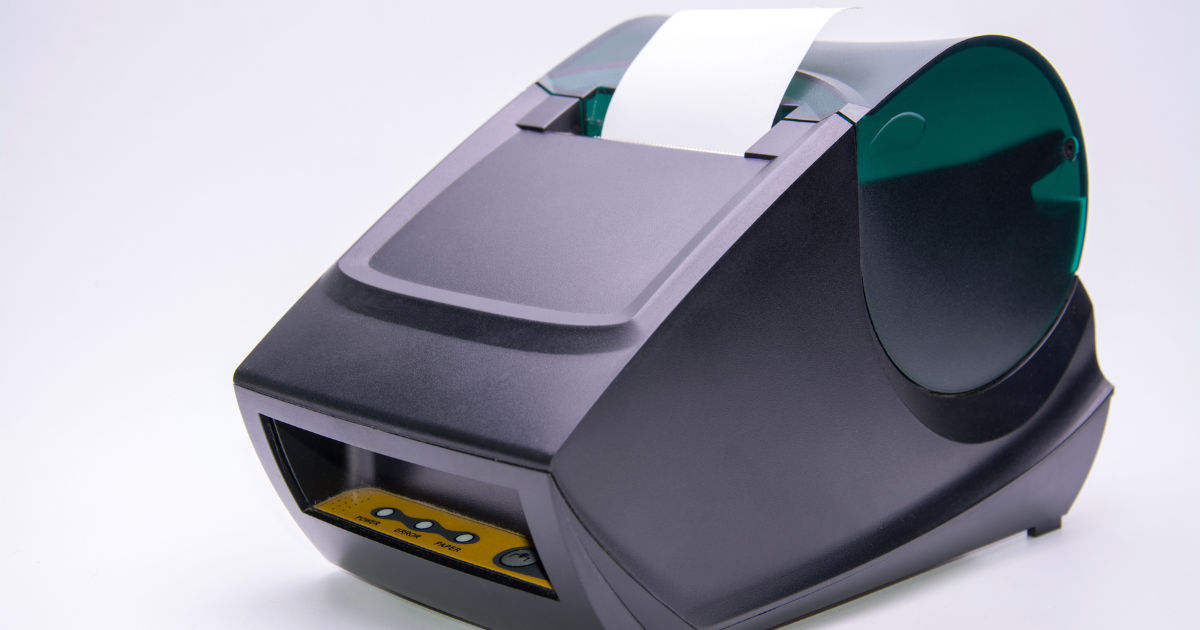
However, one of the biggest challenges with thermal paper is its tendency to fade over time. This can cause significant problems, especially for businesses that need to keep records or for individuals who need to maintain proof of purchase.
In this guide, we will explore why thermal paper fades, the factors that contribute to its degradation, and practical ways to prevent fading.
By understanding the science behind thermal paper and taking the right precautions, you can extend the lifespan of thermal paper and ensure your printed information remains readable.
What is Thermal Paper?
Thermal paper is a special type of paper coated with chemicals that change color when exposed to heat. Unlike traditional printing methods that rely on ink, thermal printing uses heat to create an image or text. When a thermal printer head heats certain areas of the paper, a chemical reaction occurs in the coating, producing a dark mark.
The key advantages of thermal paper include speed, low maintenance (no ink cartridges), and sharp printing quality. However, its chemical composition also makes it sensitive to environmental factors, which is why thermal paper is prone to fading over time. Understanding these factors is essential for anyone who relies on thermal paper for long-term record-keeping.
How Thermal Paper Works
The surface of thermal paper is coated with a mixture of a dye and a developer. When heat is applied, the dye reacts with the developer to form a visible image. This reaction is highly sensitive to temperature, pressure, and chemical exposure.
Since the image is formed chemically rather than using ink, it does not have the same stability as traditional ink. This is why thermal paper can be vulnerable to fading, discoloration, or even complete loss of information under certain conditions.
Common Reasons Thermal Paper Fades
Exposure to Heat
One of the most common causes of fading in thermal paper is prolonged exposure to heat. Thermal paper reacts to heat, so even moderate temperatures over time can cause the printed areas to darken, blur, or fade. This is why receipts left in a hot car or near a heating source often become unreadable within months.
Exposure to Light
Ultraviolet (UV) light from the sun or fluorescent lights can accelerate the fading process. UV light breaks down the chemical compounds in the thermal coating, leading to a gradual loss of image quality. This is particularly problematic for receipts or tickets stored in transparent envelopes or windows.
Contact with Chemicals
Thermal paper is highly sensitive to chemicals. Oils from human hands, cleaning agents, perfumes, and even certain plastics can trigger a chemical reaction that causes the image to fade or smear. This is why handling receipts with bare hands can sometimes leave fingerprints that interfere with readability.
Humidity and Moisture
Water and high humidity can also damage thermal paper. Moisture can dissolve or react with the coating, causing the printed text or images to blur or disappear. This makes thermal paper unsuitable for environments with high moisture unless proper precautions are taken.
Age of the Paper
Even without exposure to harsh conditions, thermal paper will naturally degrade over time. The chemical reaction that forms the image is not permanent, so thermal paper has a finite lifespan. Typically, thermal paper can last anywhere from a few months to a few years depending on storage conditions.
How to Prevent Thermal Paper from Fading
While it is impossible to make thermal paper completely permanent, several strategies can help preserve it for longer periods.
Store Thermal Paper Properly
Proper storage is one of the most effective ways to prevent fading. Keep thermal paper in a cool, dry place away from direct sunlight. Avoid areas with high temperatures, such as near radiators, ovens, or hot vehicles. Ideally, store paper at room temperature, in sealed containers or envelopes that protect it from light and moisture.
Handle Receipts Carefully
When handling thermal paper, minimize direct contact with the printed surface. Oils from your fingers can react with the thermal coating. If you need to keep a receipt or document for a long time, consider photocopying or scanning it to preserve the information digitally.
Use Thermal Paper Protectors
For important receipts or documents, use protective sleeves or laminating sheets. These create a barrier against environmental factors such as heat, light, moisture, and chemicals. Laminating can extend the readability of thermal paper for many years.
Minimize Exposure to Chemicals
Avoid storing thermal paper near cleaning supplies, solvents, or other chemicals that might react with the coating. Also, be mindful of storing receipts with items like pens or plastic bags that can leave residues on the paper.
Opt for High-Quality Thermal Paper
Not all thermal paper is created equal. High-quality thermal paper tends to have a more stable chemical coating that resists fading better than cheaper alternatives. If long-term preservation is important, investing in premium thermal paper can make a noticeable difference.
Digitize Important Documents
Even with careful handling, thermal paper will eventually fade. To ensure critical information is preserved, consider digitizing receipts, tickets, or medical records. Scanning or photographing documents creates a permanent digital backup that cannot fade over time.
Use Thermal Paper with Protective Coatings
Some thermal paper is manufactured with additional protective layers that increase resistance to heat, light, and chemicals. Look for labels indicating long-lasting or archival-quality thermal paper. This type of paper is especially useful for businesses that need to maintain records for years.
Signs That Thermal Paper is Starting to Fade
It’s important to recognize early signs of fading so that you can take action before the information is lost. Common signs include:
-
Lightening of text or images – The printed areas start to look pale or blurry.
-
Discoloration – Darkened areas appear uneven or brownish.
-
Smudging or bleeding – The image spreads or blurs when touched.
-
Loss of contrast – The text no longer stands out clearly against the background.
If you notice any of these signs, consider digitizing the document immediately or applying protective measures to prevent further degradation.
How Long Does Thermal Paper Last?
The lifespan of thermal paper varies depending on environmental conditions and the quality of the paper. On average:
-
Standard thermal paper lasts 6 months to 2 years under normal indoor conditions.
-
High-quality or archival thermal paper can last 5 to 10 years if stored properly.
Extreme conditions, such as heat, light, moisture, or chemical exposure, can reduce this lifespan to just a few months. Understanding these limitations helps you plan for preservation.
Common Mistakes That Accelerate Fading
Even with the best thermal paper, certain mistakes can accelerate fading:
-
Storing receipts in wallets or pockets exposed to body heat and sweat.
-
Placing thermal paper near sunlight or fluorescent lights for extended periods.
-
Stacking thermal paper with glossy magazines or inked papers that can transfer chemicals.
-
Using old or low-quality thermal printers that overheat the paper.
Avoiding these mistakes can help maximize the life of your thermal paper.
Tips for Businesses Using Thermal Paper
Businesses that rely on thermal paper for receipts, tickets, or invoices need to be especially careful. Here are some strategies to help:
-
Issue digital copies – Offer email receipts or QR codes to provide a permanent digital record.
-
Invest in quality paper – Use premium thermal paper with protective coatings to reduce fading complaints.
-
Educate staff – Train employees to handle receipts carefully and avoid exposure to heat or chemicals.
-
Use thermal paper storage systems – Store rolls in boxes or cabinets that protect from light, heat, and humidity.
-
Monitor expiration – Rotate stock and use older rolls first to avoid paper that has degraded in storage.
Environmental Considerations
Thermal paper is not only sensitive to environmental conditions but also impacted by sustainability concerns. Many thermal papers contain bisphenol A (BPA) or bisphenol S (BPS), which can react to heat and affect longevity. Eco-friendly thermal paper options without BPA/BPS are available, and they tend to fade slower under normal conditions. Businesses and individuals should consider these safer alternatives.
The Science Behind Fading
The fading of thermal paper is a chemical process. The heat-sensitive layer contains a dye and a developer. When exposed to heat, the dye reacts with the developer to form a visible image. However, over time, even without additional heat, the dye can slowly oxidize or react with other environmental factors, causing the image to fade.
UV light, moisture, and contact with oils or chemicals can accelerate this chemical breakdown. This is why even well-stored receipts can eventually lose clarity if not properly protected. Understanding this science helps explain why thermal paper requires careful handling and storage.
How to Test Thermal Paper Quality
If you are unsure about the quality of your thermal paper, simple tests can help:
-
Heat Test – Apply a small amount of heat to a corner of the paper using a lighter or warm object. High-quality thermal paper will react sharply and clearly.
-
Light Exposure Test – Place a sample in sunlight for a few hours and check for fading.
-
Chemical Sensitivity Test – Gently rub a small area with your finger. Excessive smudging may indicate a low-quality coating.
These tests help determine which thermal paper will last longer and resist fading.
Digital Alternatives and Integration
Even with preventive measures, thermal paper will fade eventually. Digitizing receipts and records is the most reliable way to preserve them permanently. Many businesses integrate point-of-sale systems that automatically send copies to email or cloud storage. Individuals can also use scanning apps to create digital backups.
Combining thermal paper with digital solutions ensures that critical information is preserved, even if the physical receipt fades.
Conclusion
Thermal paper is an essential tool in modern life, offering speed, convenience, and clarity. However, its chemical-based printing process makes it prone to fading. Heat, light, humidity, chemicals, and even natural aging can cause the information on thermal paper to degrade over time.
Preventing fading requires proper storage, careful handling, the use of high-quality thermal paper, and protective measures such as laminating or sleeves. For critical documents, digitizing information is the safest way to preserve it permanently.
By understanding why thermal paper fades and implementing these strategies, businesses and individuals can extend the lifespan of their printed documents, reduce losses, and maintain readable records for years to come.
Whether you are a store owner, healthcare professional, or everyday consumer, taking steps to protect thermal paper ensures that your receipts, tickets, and records remain reliable and legible.